What Are Piles?
Piles, also called hemorrhoids, are swollen veins in the lower part of the rectum or anus. Many people experience discomfort, itching, or bleeding from piles. Although piles are common, they can cause worry and pain. Early care and the right treatment, such as Ayurvedic treatment for piles, can help manage symptoms and improve quality of life.
Common Symptoms and Signs
Piles can show up in different ways. Some people may not notice any signs at first. However, common symptoms include:
Sometimes, symptoms can get worse if piles are not treated. Therefore, it is important to watch for these signs and seek help if needed.
Causes and Risk Factors
Piles can develop for many reasons. Most often, they are linked to increased pressure in the lower rectum. For example, straining during bowel movements or sitting for long periods can raise this pressure. Other common causes and risk factors include:
Because these factors are common, piles can affect people of all ages. However, making healthy changes can help lower your risk.
Ayurvedic Perspective on Piles
Ayurveda, the ancient Indian system of medicine, views piles as “Arsha.” According to Ayurveda, piles develop due to an imbalance in the body’s doshas (Vata, Pitta, and Kapha). For instance, poor digestion, unhealthy diet, and a sedentary lifestyle can disturb these doshas. As a result, the veins in the rectal area swell and cause discomfort. Ayurveda focuses on restoring balance and treating the root cause, not just the symptoms.
Ayurvedic Diagnosis Methods
Ayurvedic practitioners use several methods to diagnose piles. First, they ask about your symptoms, diet, and lifestyle. Next, they may perform a physical exam. Sometimes, they use gentle touch or inspection to check for swelling or lumps. In addition, they assess your dosha balance and digestive health. This holistic approach helps create a personalized plan for Ayurveda piles management.
Ayurvedic Treatments and Remedies
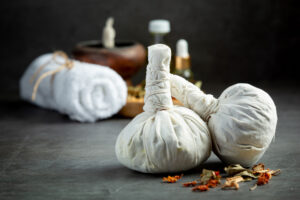
Ayurvedic treatment for piles combines natural remedies, herbs, and therapies. These methods aim to reduce swelling, ease pain, and improve digestion. Common Ayurvedic treatments include:
Along with these treatments, Ayurveda also recommends dietary changes and lifestyle tips for better results. Always consult a qualified Ayurvedic practitioner before starting any remedy.
Lifestyle and Dietary Tips for Prevention and Management
Healthy habits can prevent piles and support natural remedies for hemorrhoids. Here are some simple tips:
Because these steps are easy to follow, they can help manage piles and prevent them from coming back.
When to Consult a Healthcare Professional
Although many cases of piles can be managed at home, some situations need medical attention. For example, if you notice heavy bleeding, severe pain, or a lump that does not go away, see a doctor. In addition, if symptoms last more than a week or get worse, seek help. Early care can prevent complications and ensure the best treatment. Remember, Ayurveda piles management works best when guided by a trained expert.
Conclusion
Piles are common but treatable. Ayurveda offers gentle, natural remedies for hemorrhoids and focuses on long-term wellness. However, each person is different. Consult a qualified Ayurvedic practitioner for personalized guidance on managing piles.